How to Break a Bad Habit (Without Relying on Willpower)
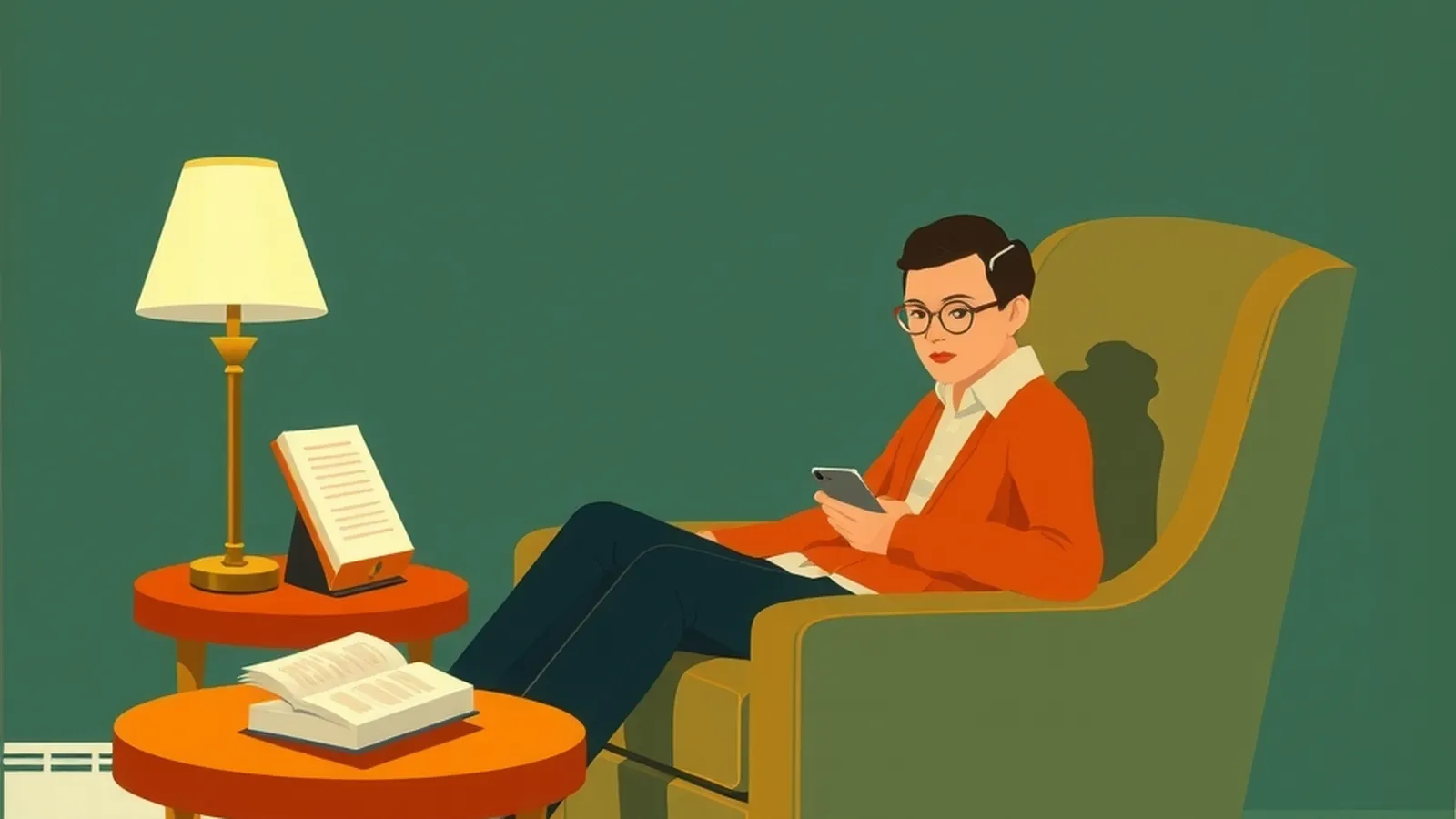
To break a bad habit, figure out what triggers it, make it harder to do, and replace it with a different behavior that meets the same need. Willpower alone rarely works for long, because habits are automatic. Changing the situation around the habit usually works better than trying to resist it every time.
This guide gives you a step-by-step method and a worksheet. For more on how habits work in general, visit the habits hub.
How a bad habit holds on
The idea of a habit "loop" was popularized by Charles Duhigg in his 2012 book The Power of Habit. It has three parts:
- Cue: something that sets the habit off, such as a time, place, feeling, person or preceding action.
- Routine: the behavior itself.
- Reward: what you get out of it, such as relief, comfort, distraction or a break.
Bad habits are not random. They usually do something for you, even if the cost is high. Scrolling your phone in bed might give you a break from worry. Snacking in the afternoon might ease boredom. Biting your nails might release tension. If you remove the habit without meeting that need, the need tends to win.
Step 1: Find your triggers
For three to five days, don't try to change anything. Notice. Each time the habit happens, write down a few quick details:
| Time | Where I was | Who was around | What I was feeling | What happened right before |
|---|---|---|---|---|
| 9:40 p.m. | Bed | Alone | Restless | Plugged in phone |
| 3:15 p.m. | Desk | Coworkers nearby | Bored, tired | Finished a long call |
Patterns tend to show up quickly. Many people find their habit is tied to one or two specific moments, not all day long.
Step 2: Name the need
Look at your notes and ask: what does this habit give me? Common answers include rest, relief from stress, comfort, stimulation, connection or a sense of control. Be honest and kind with yourself here. Needing a break is not a flaw.
Step 3: Add friction
Friction means extra steps between you and the habit. The harder something is to do, the less often it happens on autopilot.
- Charge your phone in another room overnight.
- Keep snacks on a high shelf or out of the house.
- Log out of a site after each use so you have to sign back in.
- Wear gloves or a bandage on fingertips if you bite your nails.
- Move the game console controller into a closet.
You don't need to make the habit impossible. A small pause is often enough to give you a moment to choose.
Step 4: Choose a replacement behavior
Pick a different action that fits the same cue and meets the same need. It should be easy and available right where the trigger happens.
| Old habit | Need it meets | Replacement |
|---|---|---|
| Scrolling in bed | Winding down | Read a paperback for 10 minutes |
| Afternoon vending machine | Break from work | Walk to refill your water bottle |
| Nail biting during calls | Releasing tension | Hold a smooth stone or squeeze a stress ball |
| Opening social media at work | Stimulation | Stand up and stretch for one minute |
Then write it as a plan: "When [cue], instead of [old habit], I will [replacement]." For example: "When I get into bed, instead of opening my phone, I will read one chapter."
Replacement behaviors are new habits, so they follow the same rules as any other new habit: start small, give them a clear cue and make them easy. Our guide on how to build a habit walks through that process step by step.
Step 5: Plan for slips
Slips are part of breaking almost any habit. What matters is what happens next. Before a slip happens, decide:
- What you will say to yourself. Something like: "That happened. It doesn't cancel my progress. What triggered it?"
- What you will do next. Return to your replacement at the very next cue.
- When you will adjust. If the same trigger keeps winning, add more friction or try a different replacement.
The words you use after a slip matter more than many people realize. Harsh self-criticism often leads to "I already blew it, so why bother," which tends to bring the habit back faster. Our guide to negative self-talk covers how to notice and reframe these thoughts.
Worked example: Jordan and late-night scrolling
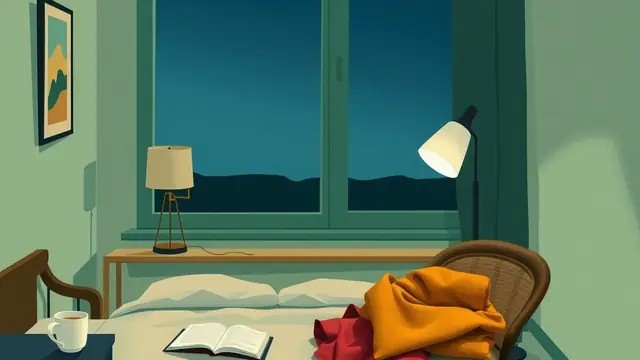
Jordan scrolls their phone in bed for an hour most nights and wakes up tired. After three days of noticing, Jordan sees a pattern: it always starts right after they plug in the phone on the nightstand, and they feel wired and restless.
- Need: Something to quiet a busy mind.
- Friction: The charger moves to the kitchen counter.
- Replacement: A short paperback and a reading light on the nightstand.
- Plan: "When I get into bed, instead of picking up my phone, I will read until I feel sleepy."
- Slip plan: If Jordan scrolls anyway, they note what happened that day and move the phone again the next night.
Some nights still go wrong, especially stressful ones. But the default has changed, and the habit happens much less often.
Evenings are a common time for unwanted habits because energy and attention are low. If that sounds familiar, our evening routine guide helps you build a wind-down that leaves less room for old patterns.
Track the habit you are breaking
Keeping a simple record helps you see progress that is easy to miss. You might track days without the habit, or track each time you used your replacement. Seeing "5 out of 7 nights" is more encouraging than remembering only the two bad ones. Our habit tracker guide explains different ways to track and includes a template.
When to get more support
Some habits are more than habits. If a behavior feels out of your control, is harming your health, relationships or work, or involves alcohol, drugs, gambling or self-harm, please talk with a doctor or licensed therapist. That is not a failure of willpower. It is getting the right kind of help. If you're in crisis in the US, call or text 988 (Suicide & Crisis Lifeline).
You may also see programs that promise to end any habit in a few days. Be cautious. Our guide on self-help program red flags explains what to look out for before you pay for one.
Your worksheet
- The habit I want to break: ______
- My most common trigger: ______
- The need it meets: ______
- One way I will add friction: ______
- My replacement: "When ______, instead of ______, I will ______."
- What I will tell myself after a slip: ______
Want a structured program to keep you on track?
Reading gives you the ideas. Some people stick with change better when they follow a guided course day by day. This button opens a self-improvement program from one of our advertising partners.
See the partner program →We may be paid when you click. The program shown can change. Read its terms before you buy anything. How this works
Frequently asked questions
What is the fastest way to break a bad habit?
There is no reliable shortcut, but the approach that tends to work best is changing the setup: avoid or change the trigger, make the habit harder to do, and give yourself a replacement behavior that meets the same need.
Why is it so hard to stop a bad habit?
Habits run on cues and rewards, so they happen with little conscious thought. Trying to stop by willpower alone means fighting an automatic process every time the cue shows up, which is tiring.
What should I do if I slip back into a bad habit?
Treat it as information, not failure. Note what triggered it, adjust your plan, and return to your replacement behavior at the next chance. One slip doesn't erase your progress.