Confidence & Mindset: Practical Ways to Trust Yourself More

Confidence is less a personality trait than a track record you build with yourself. It grows when you take small actions, notice what actually happened and treat yourself fairly when things go sideways. The guides below show you how, one skill at a time, without asking you to feel fearless first.
If you've read plenty of pep talks and still feel unsure of yourself, you're in good company. A lot of advice falls flat because it asks you to feel different before you act different. These pages work the other way around.
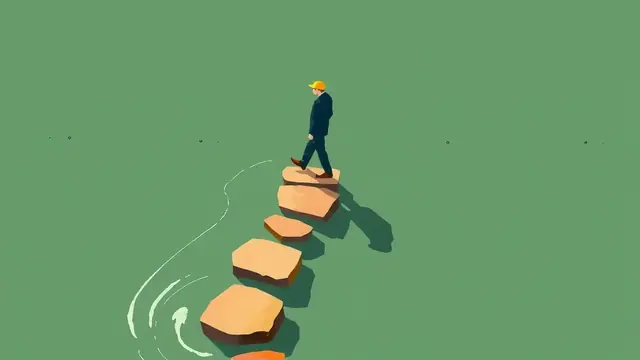 Build Self-ConfidenceGrow confidence from small, repeated actions and real evidence, not pep talks.
 Self-EsteemBuild a steadier sense of worth with self-compassion and values, not constant achievement.
 Growth MindsetWhat a growth mindset really means, what the evidence shows and how to practice it day to day.
 Imposter SyndromeWhy capable people feel like frauds, and practical ways to respond when those thoughts show up.
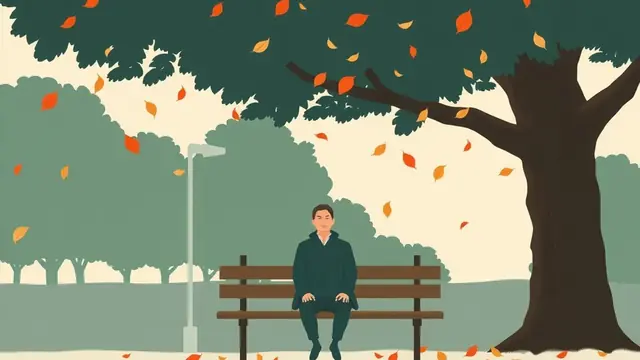 Stop OverthinkingTell problem-solving from rumination, then use worry time and grounding to step out of the loop.
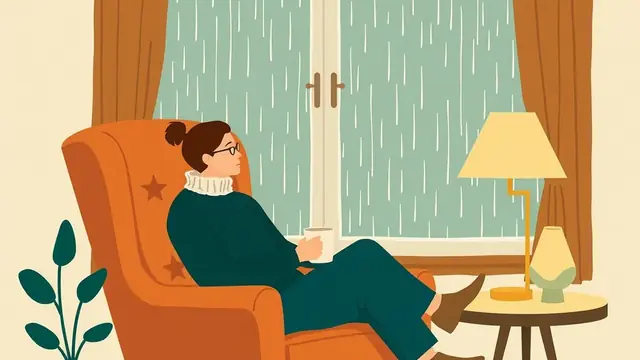 Negative Self-TalkSpot the thinking traps behind a harsh inner voice and practice a fairer way to talk to yourself.
 ResilienceResilience is a set of skills you can build. Here's how, through connection, coping and meaning.
How these guides fit together
The topics overlap, but each one answers a different question. Find the line that sounds most like your inner voice.
| If you're thinking... | Start here |
|---|---|
| "I freeze up before I speak, apply or ask." | How to build self-confidence |
| "Deep down, I don't think I'm worth much." | How to improve self-esteem |
| "I'm not a numbers person, so why try?" | Growth mindset |
| "Sooner or later they'll figure out I'm a fraud." | Imposter syndrome |
| "I can't stop replaying that conversation." | How to stop overthinking |
| "The voice in my head is brutal." | Negative self-talk |
| "One bad week knocks me flat." | How to build resilience |
People often use confidence and self-esteem as if they mean the same thing. They don't. Confidence is about a task: "Can I give this presentation?" Self-esteem is about you as a whole person: "Am I okay, even if the presentation goes badly?" You can have plenty of one and very little of the other, which is why each gets its own guide.
Three ideas that run through every page
Action comes before the feeling. Waiting to feel ready can mean waiting a very long time. A small, slightly uncomfortable step gives your brain new evidence, and evidence is what shifts belief over time.
Thoughts are guesses, not verdicts. The harsh, sure-sounding thought ("I always mess this up") is often a thinking trap. Spotting it and questioning it is a learnable skill, and it gets easier with repetition.
Setbacks are part of the process. Everyone who looks steady from the outside has had days that went badly. What helps is a plan for how you respond, rather than an expectation that the bad days will stop.
Mindset work connects to the rest of your life
Confidence doesn't grow in a vacuum. It grows when you keep small promises to yourself, so the step-by-step system in how to build a habit pairs well with anything here. If self-doubt tends to show up as putting things off, the guide on how to stop procrastinating looks at delay as a way of dodging uncomfortable feelings. And if low confidence makes it hard to speak up with the people around you, how to set boundaries offers scripts you can adapt.
You don't need a paid course to make progress on any of this. If you're weighing one anyway, our look at self-help programs explains when structure helps and how to judge what's on offer.
What these guides can and can't do
These are self-help skills for everyday self-doubt, worry and setbacks. They are not therapy, and they can't replace it. If your feelings are persistent, intense or getting in the way of work, sleep or relationships, talking to a licensed therapist or a doctor can help. Anxiety and depression are medical conditions, not a lack of willpower, and they respond to proper care.
Where to begin today
Pick the row in the table above that sounds most like you and read that one guide. Then try the single exercise it includes before you move on to another. One skill you've practiced a few times will do more for you than seven articles you've skimmed.
If you're not sure where you fit, start with how to build self-confidence. Its confidence ladder is a gentle first project, and the habit of taking one small, uncomfortable step supports everything else in this section.
Want a structured program to keep you on track?
Reading gives you the ideas. Some people stick with change better when they follow a guided course day by day. This button opens a self-improvement program from one of our advertising partners.
See the partner program →We may be paid when you click. The program shown can change. Read its terms before you buy anything. How this works
Frequently asked questions
Can you build confidence if you're naturally shy?
Yes. Shyness is part of temperament, while confidence in a given situation grows with practice. Many quiet people become comfortable speaking up by taking small, repeated steps.
What's the difference between confidence and self-esteem?
Confidence is trust in your ability to handle a specific task. Self-esteem is your overall sense of worth as a person, whether or not a task goes well.