Habits: How to Build Good Ones and Break Bad Ones
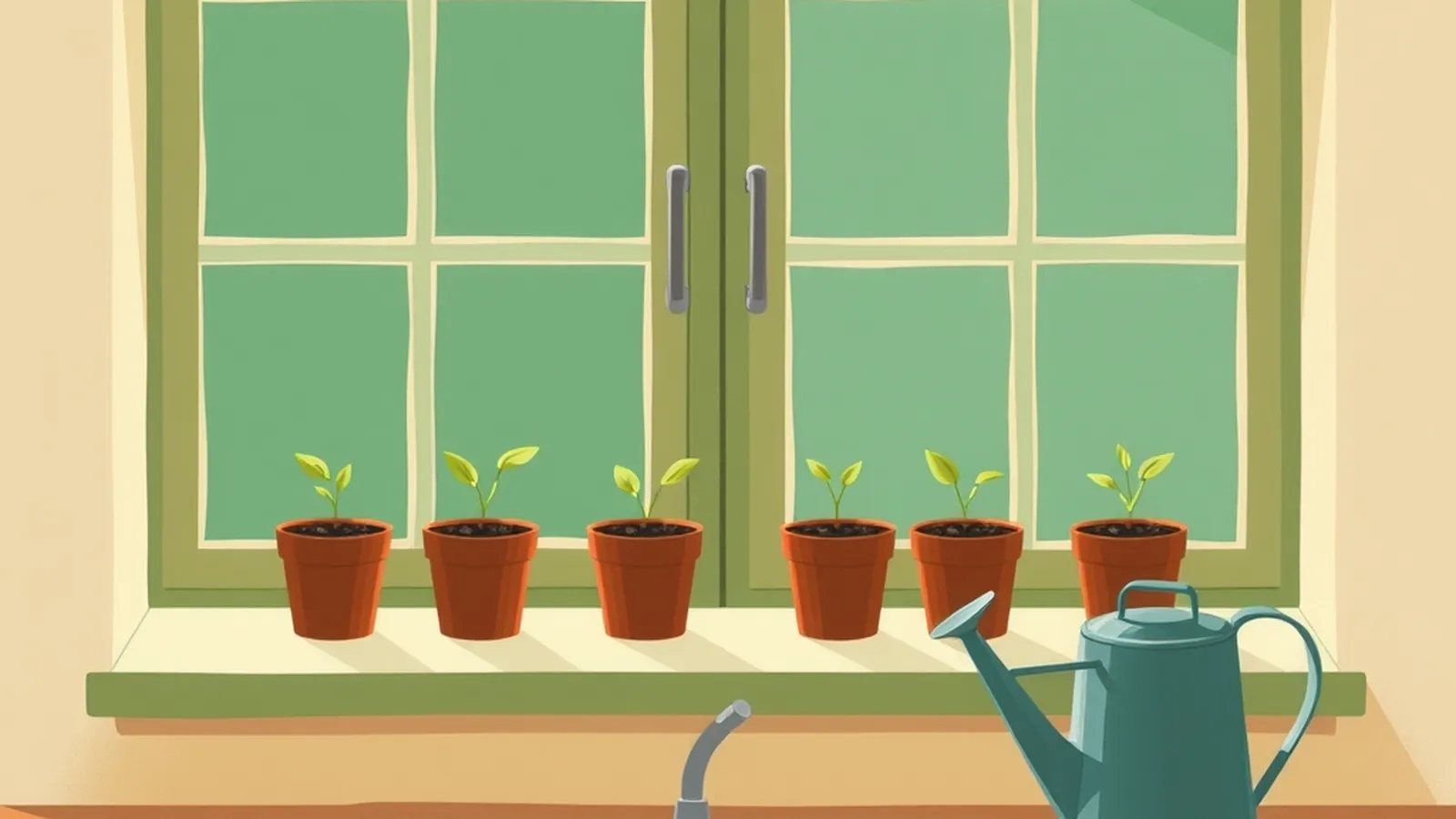
A habit is a behavior you do with little thought because a familiar situation sets it off. Building one is less about willpower and more about design: a small starting point, a clear cue, a setup that makes the behavior easy, and a plan for the days that go wrong. These guides walk you through each piece.
If you have tried to build a habit before and it faded after a week or two, you are in very large company. That usually means the plan needed adjusting, not that something is wrong with you.
 How Long to Form a HabitWhy "21 days" is a myth, what the 66-day research found, and how to set a realistic timeline.
 How to Build a HabitA six-step system for new habits: tiny starts, anchors, if-then plans, environment, rewards and restarts.
 Break a Bad HabitFind the trigger, add friction, choose a replacement and plan for slips so an old habit loses its grip.
 Habit StackingUse the "After I..., I will..." formula to attach new habits to routines you already do every day.
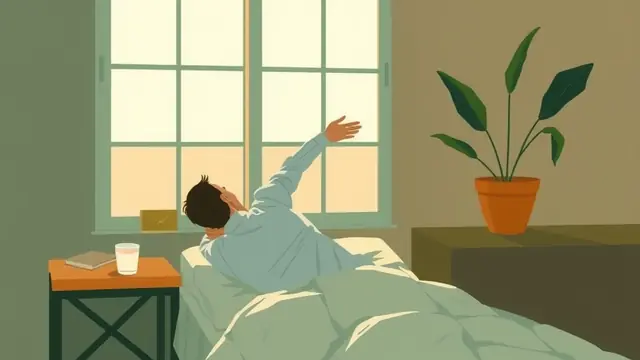 Morning RoutineBuild a realistic morning routine that fits your schedule, with examples for parents and shift workers.
 Evening RoutineA simple night routine with three parts: shut down the day, prep for tomorrow and wind down.
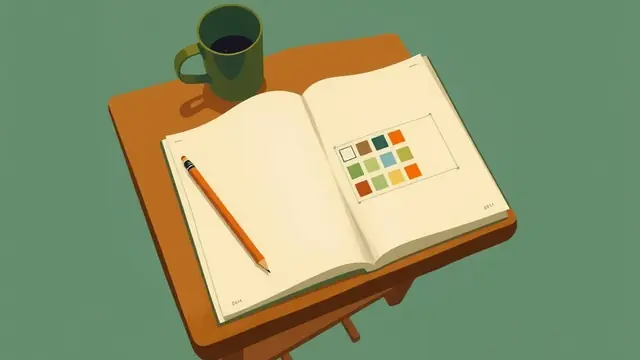 Habit TrackerPaper or app, what to track, a weekly template to copy and the never-miss-twice rule.
How these guides fit together
You can read them in any order, but here is one path that works well for most people.
- Set expectations first. Our guide on how long it takes to form a habit explains why the popular "21 days" figure is misleading and what a realistic timeline looks like.
- Learn the core system. How to build a habit lays out a step-by-step method: start tiny, pick an anchor, write an if-then plan, shape your space and decide how you will restart.
- Attach habits to your day. Habit stacking shows you how to link a new behavior to one you already do, with a fill-in formula.
- Build the bookends. A morning routine and an evening routine give your habits a dependable home at the start and end of the day.
- Handle the other side. Breaking a bad habit covers triggers, friction and replacement behaviors.
- Keep score kindly. A habit tracker helps you see patterns without turning your goals into a test you can fail.
Five ideas that run through every guide
Small beats impressive. A two-minute version you actually do teaches your brain more than an hour-long version you skip. You can always grow a habit once it is steady.
Cues do the heavy lifting. Motivation rises and falls. A clear trigger, like "after I pour my coffee" or "when I sit down at my desk," shows up every day whether you feel inspired or not.
Your environment votes. Where you keep things, what is in sight and what takes extra steps all shape what you do. Changing your space is often easier than changing your mind.
Missing a day is normal. Progress with habits is uneven. What matters most is how quickly you return, which is why every guide here includes a restart plan.
Track to learn, not to judge. A record of what happened helps you spot what is working. It is information, not a grade.
Habits connect to everything else
Habits are the quiet engine behind a lot of other goals. If you are working toward something bigger, our guide to setting goals helps you turn an outcome into weekly actions that can become habits. If you find yourself stuck before you begin, how to stop procrastinating looks at the feelings that often get in the way of starting.
The way you talk to yourself after a slip also matters. Harsh self-criticism tends to make people quit, while a steadier inner voice makes it easier to try again. Our guide to negative self-talk offers ways to notice and reframe those thoughts.
What we will and won't tell you
We write about habits as everyday skills. You will find examples like walking after dinner, drinking a glass of water in the morning or going to bed a little earlier, but we don't make health or weight promises about any of them. Nobody can honestly promise that a new routine will change your life on a set schedule.
Where research exists, we describe it accurately and say when it is limited or mixed. Where it doesn't, we say so and offer practical ideas you can test for yourself. You can read more about how we work in our editorial policy.
A note on courses and programs
You don't need to buy anything to build better habits. Free tools, a notebook and a clear plan cover most of what people need. Some people do like the structure of a paid course or coaching. If you are weighing one, our guides on self-help programs explain when structure helps and which warning signs to watch for before you spend money.
Where to start today
Pick one small behavior you would like to do more often. Write down one thing you already do every day that could act as its cue. Then open how to build a habit and work through the steps with that single habit in mind. One habit, done steadily, is a better starting point than five at once.
Want a structured program to keep you on track?
Reading gives you the ideas. Some people stick with change better when they follow a guided course day by day. This button opens a self-improvement program from one of our advertising partners.
See the partner program →We may be paid when you click. The program shown can change. Read its terms before you buy anything. How this works
Frequently asked questions
What is the best way to start a new habit?
Make the first version so small it feels almost too easy, tie it to something you already do every day, and decide in advance what you will do when you miss a day.
Why do my habits never stick?
Most habits fail because the plan asked for too much too soon or relied on motivation instead of cues and environment. That is a design problem you can fix, not proof that you lack willpower.