Habits · Focus · Confidence · Relationships
Better habits, one steady step at a time
Clear, practical guides for people who have tried to change before and want an approach that actually fits a real life.

 HabitsRealistic, step-by-step guides to starting new habits, dropping old ones and building routines that last.
 Focus & ProductivityPlain-spoken guides to starting tasks, planning your day, setting priorities and staying focused.
 Confidence & MindsetBuild steadier confidence with small actions, fairer self-talk and skills for handling setbacks.
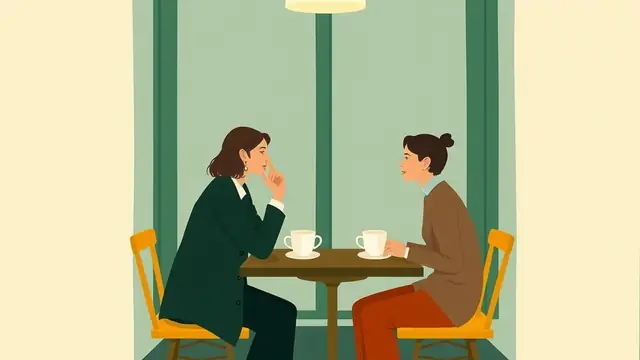 RelationshipsPlain-language guides and scripts for boundaries, saying no, listening and building friendships.
 Choosing a ProgramHow to judge a paid self-help, productivity or confidence course before you buy: a scored checklist, questions to ask, refund rules and subscription traps.
Start here
Pick the door that matches what brought you here today.
- You keep starting habits and dropping them. Learn how long a habit really takes to form (it's longer than 21 days, and that's good news), then follow our step-by-step guide to building a habit that sticks.
- You know what to do but can't make yourself start. Read how to stop procrastinating, then try a single round of the Pomodoro Technique on the task you've been avoiding.
- Your to-do list is a wall of "urgent". Sort it with the Eisenhower Matrix and protect time for what matters with time blocking.
- You doubt yourself more than you'd like. Start with how to build self-confidence and learn to notice negative self-talk.
- You say yes when you mean no. Our guides to setting boundaries and saying no come with word-for-word scripts.
How we write
Self-improvement advice is everywhere, and a lot of it is loud. We take a quieter approach. Each guide explains an idea in plain language, says where it comes from, separates what research shows from what is simply popular, and ends with something you can try today. We don't promise success, wealth, love or a new life in 30 days, and we'll say so when the evidence is thin. Read more in our editorial policy.
These guides are for everyday growth, not treatment. If stress, low mood or anxiety is getting in the way of daily life, a doctor or licensed therapist can help, and that's a sign of strength, not failure.
Thinking about a paid course?
A program can add structure and accountability, but quality varies a lot, and many people do well with free resources. Before you spend anything, read how to choose a self-help program, check the red flags to watch for, and ask honestly whether a course is worth it for you.