Relationships: Practical Skills for Boundaries, Talking and Connection
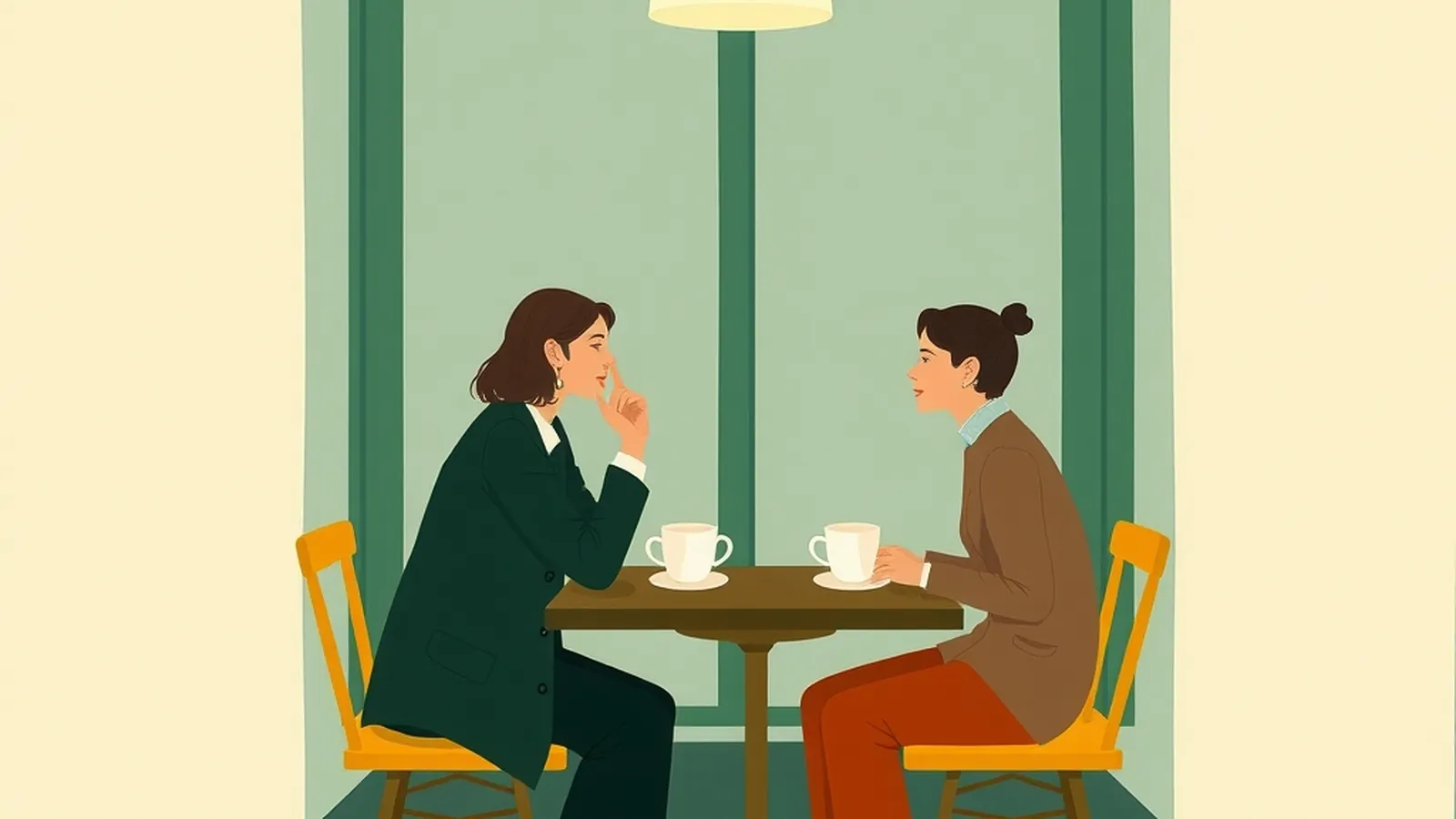
Relationship skills are the everyday tools you use to stay close to people without losing track of yourself: saying what you need, hearing what others need, and handling the moments when those two things clash. The good news is that none of these skills depend on personality. They can be practiced one conversation at a time.
If you've read advice like "communicate better" and felt no closer to knowing what to actually say, you're not alone. Most of the guides in this section include word-for-word scripts, so you can borrow language until you find your own.
 Set BoundariesA 4-step method and ready-to-use scripts for setting boundaries with family, coworkers and friends.
 How to Say NoShort, kind scripts for turning down requests at work, with family, with friends and for invitations.
 People-PleasingWhere the urge to please comes from, gentle experiments to loosen it, and how to sit with the guilt.
 Communication SkillsUsing "I" statements, Nonviolent Communication and a step-by-step plan for hard conversations.
 Active ListeningReflecting, open questions and summarizing, with example phrases and a short practice plan.
 Make Friends as an AdultWhy adult friendship takes time, where to meet people, and how to make the first invite.
Where to start
Relationship problems rarely come in one neat category. A tense friendship might involve a missing boundary, a habit of agreeing to everything, and a few conversations where nobody felt heard. It helps to pick one thread and pull on it first.
Here is a rough guide to choosing a starting point:
| If this sounds familiar | Start here |
|---|---|
| "People keep asking for more than I can give." | How to set boundaries |
| "I say yes and regret it an hour later." | How to say no |
| "I can't relax until everyone around me is happy." | How to stop people-pleasing |
| "Our talks turn into arguments." | Communication skills |
| "People say I don't listen, or I zone out." | Active listening |
| "I'm lonely and don't know how to meet people." | How to make friends as an adult |
You don't need to read them in order. Boundaries, saying no and people-pleasing overlap heavily, so if one of those fits, the other two will probably be useful soon after.
How these skills connect
Think of the section as two halves. The first half is about protecting your time, energy and values: boundaries, saying no and loosening the pull to please. The second half is about reaching toward people: talking clearly, listening well and building new friendships.
Both halves need each other. If you only work on reaching out, you may end up overcommitted and resentful. If you only work on protecting yourself, you may end up safe but isolated. Most people find a healthy middle by practicing a little of each.
Confidence plays a quiet role here too. Many people avoid hard conversations because they doubt their own worth or expect to be rejected. If that rings true, the guides on self-esteem and building self-confidence pair well with this section. And if your calendar is so full that you can't see where your time goes, the Eisenhower Matrix can help you decide which requests deserve a yes.
What to expect when you start practicing
New relationship habits usually feel uncomfortable before they feel natural. The first time you say no without a long explanation, you may feel guilty for hours. The first time you reflect back what a friend said, it may feel stiff. That discomfort is a normal sign that you're doing something new, not a sign that you're doing it wrong.
A few expectations that tend to help:
- Start with low-stakes people. Practice a boundary with a coworker about meeting times before you try one with a parent about holidays.
- Expect some pushback. People who benefited from your old patterns may not cheer when you change them. That doesn't mean the change is wrong.
- Aim for clear, not perfect. A slightly awkward honest sentence usually works better than a polished one you never say.
- Notice small wins. One conversation where you said what you meant is worth recognizing.
A note on safety
The scripts and steps on these pages are designed for ordinary relationships: friends, family, coworkers and partners where disagreements are uncomfortable but safe. They aren't a safety plan. If you feel afraid of someone you live with or are close to, or if setting a limit could put you at risk, please reach out for support. In the US, the National Domestic Violence Hotline is available by calling 1-800-799-7233 or texting START to 88788.
These guides also aren't a substitute for professional help. If worries about relationships are persistent, intense or getting in the way of daily life, a licensed therapist can help you sort through them. If you're in crisis in the US, call or text 988 (Suicide & Crisis Lifeline).
Courses, coaches and other help
You'll find plenty of paid courses and coaching that promise to fix your relationships. Some structured support can be useful, especially if you want accountability. Before you spend money, it's worth reading through our guides to self-help programs so you know what to look for and what to skip.
Everything in this section is free to use. Pick one page, try one script this week, and see what changes.
Want a structured program to keep you on track?
Reading gives you the ideas. Some people stick with change better when they follow a guided course day by day. This button opens a self-improvement program from one of our advertising partners.
See the partner program →We may be paid when you click. The program shown can change. Read its terms before you buy anything. How this works
Frequently asked questions
Can you really learn relationship skills, or are some people born good at them?
Some people had more practice growing up, but listening, asking for what you need and saying no are learnable skills. They feel clumsy at first and smoother with repetition, like any other skill.
What if the other person won't change how they treat me?
You can't control another person's choices, only your own words and actions. Clear requests and boundaries make your side of things plain, and how the other person responds tells you useful information about the relationship.