Habit Stacking: How to Build New Habits on Old Ones
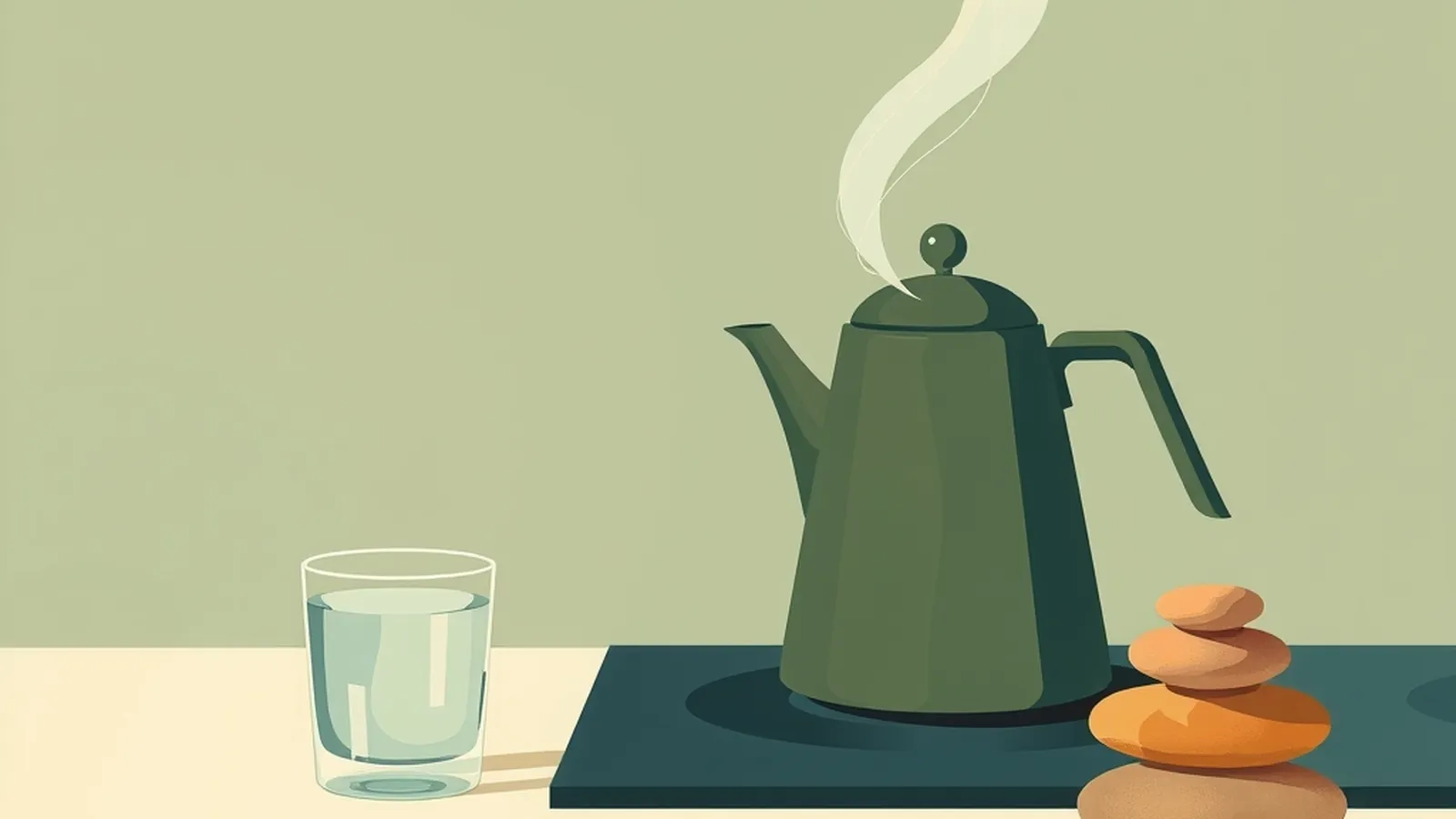
Habit stacking means attaching a new habit to one you already do every day, using the formula "After I [current habit], I will [new habit]." The existing habit acts as a built-in reminder, so you don't have to rely on memory or motivation. For example: "After I start the dishwasher, I will wipe down the kitchen counter."
This guide covers the formula, examples sorted by goal, and the mistakes that cause stacks to fall apart. For more on habits in general, see the habits hub.
Where habit stacking comes from
The term "habit stacking" was popularized by James Clear in his 2018 book Atomic Habits. Clear built on the work of BJ Fogg, whose Tiny Habits research at Stanford uses an existing routine as an anchor for a new behavior. Fogg's version is phrased as "After I..., I will..."
The underlying idea is that your day is already full of reliable routines. You wake up, use the bathroom, make a drink, check your phone, get in the car, sit down at a desk, eat lunch, come home and get ready for bed. Each of these is a ready-made cue you can borrow.
The formula
Use this exact sentence:
A good stack has three parts:
- A dependable anchor. Something you do daily, at roughly the same time and place, without fail.
- A tiny new habit. Something you can do in two minutes or less, at least at first.
- A natural fit. The new habit makes sense right after the anchor, in the same location.
"After I brush my teeth, I will floss one tooth" fits well. "After I brush my teeth, I will go for a run" usually does not, because one happens in the bathroom and the other needs shoes, clothes and a change of plans.
If you want the full system behind starting a habit, including if-then backup plans and restart rules, read our guide on how to build a habit. Habit stacking is one step within that larger process.
Habit stacking examples by goal
Use these as starting points. Swap in anchors from your own day.
| Goal | Anchor | New habit |
|---|---|---|
| Move more | After I take off my work shoes | I will do five squats |
| Drink more water | After I start the coffee maker | I will drink a glass of water while it brews |
| Read more | After I get into bed | I will read one page |
| Tidy home | After I take off my coat | I will hang it up and put away one item |
| Plan the day | After I sit down at my desk | I will write my one most important task |
| Stay connected | After I eat lunch | I will text one friend or relative |
| Learn a language | After I start my commute | I will play a five-minute lesson |
| Gratitude | After I turn off the light | I will think of one good moment from today |
| Money | After I get paid | I will move a set amount to savings |
Build a chain, one link at a time
Once a single stack is steady, you can add another link: "After I write my top task, I will clear my desktop." Over time, short chains can turn into routines.
This is how many people build a morning routine without forcing it. They start with one stack after waking up, then add pieces as each one settles. The same approach works for an evening routine, where stacks can guide you from the end of work into winding down for the night.
Add only one new link at a time. Wait until the newest link feels easy before adding the next.
Common mistakes and how to fix them
The anchor is not reliable. "After I go to the gym" doesn't work if you go only twice a week. Choose something that happens every day.
The anchor is too vague. "After breakfast" can be blurry. "After I put my cereal bowl in the sink" is a clear moment.
The new habit is too big. If the stack feels like a chore, shrink the new habit until it feels almost silly.
The location doesn't match. If the anchor is in the kitchen and the new habit needs your desk, the stack has a gap. Move the materials to where the anchor happens.
Too many stacks at once. Five new stacks on Monday often means zero by Friday. Start with one.
Stacking on a habit you want to break. "After I open social media, I will..." keeps you opening social media. Anchor to neutral or positive routines.
Worked example: Tasha's workday stack
Tasha wants to take more breaks from their screen during long workdays. Their past attempts used phone alarms, which they dismissed and forgot.
They look for a reliable anchor during work and land on refilling their water bottle, which they do about three times a day. Their stack becomes: "After I refill my water bottle, I will look out the window and roll my shoulders for 30 seconds."
The bottle is on their desk, the window is right by the water cooler, and the new habit takes less time than the refill. After a few weeks, they add a second link: "After I roll my shoulders, I will check whether my next task is the right one."
Fitting stacks into a scheduled day
If your day runs on a calendar, you can combine stacks with time blocks. A block gives you a window. A stack gives you a cue inside that window. For example, at the start of a focused work block, "After I close my email, I will put my phone in a drawer." Our guide to time blocking explains how to plan blocks and buffers for a full day.
Try it today: write your first stack
- List five things you do every single day without thinking.
- Circle the one that happens at the time and place where your new habit fits best.
- Shrink your new habit to two minutes or less.
- Write it out: "After I ______, I will ______."
- Put a reminder at the anchor for the first week, such as a sticky note on the coffee maker or a book on your pillow.
- After a week, check: did the stack happen most days? If not, change the anchor or shrink the habit.
Want a structured program to keep you on track?
Reading gives you the ideas. Some people stick with change better when they follow a guided course day by day. This button opens a self-improvement program from one of our advertising partners.
See the partner program →We may be paid when you click. The program shown can change. Read its terms before you buy anything. How this works
Frequently asked questions
What is an example of habit stacking?
"After I pour my morning coffee, I will write down my top task for the day." The coffee is a habit you already have, and it becomes the cue for the new one.
Who came up with habit stacking?
James Clear popularized the term in his 2018 book Atomic Habits. He built on BJ Fogg's Tiny Habits work at Stanford, which uses an existing routine as an anchor for a new behavior.
How many habits can I stack together?
Start with one new habit on one anchor. Once it runs smoothly, you can add another link. Long chains built all at once tend to break at the weakest link.